
The Impact of Sustainable Farming Workshops: Growing Together with Sustainable Farming Education
When I first attended a sustainable farming workshop, I was amazed at how much I didn’t know about growing food in harmony with nature. These workshops are more than just classes—they are vibrant communities where families, nature lovers, and aspiring gardeners come together to learn, share, and grow. The impact of sustainable farming workshops goes far beyond the garden beds. They nurture a deeper connection to the earth, promote healthier lifestyles, and empower us to make a positive difference in our environment.
Let’s dive into why sustainable farming education is so powerful and how it can transform not only your garden but your whole way of living.
Why Sustainable Farming Education Matters
Sustainable farming education is about learning how to grow food in ways that protect the environment, conserve resources, and support local ecosystems. It’s a hands-on approach that teaches us to work with nature, not against it. This kind of education is essential because it helps us:
Reduce chemical use: Avoiding harmful pesticides and fertilizers keeps our soil and water clean.
Conserve water: Learning smart watering techniques saves this precious resource.
Build healthy soil: Composting and crop rotation improve soil fertility naturally.
Support biodiversity: Encouraging pollinators and beneficial insects creates a balanced ecosystem.
When families and gardeners in Maryland embrace these principles, they contribute to a greener, healthier community. Plus, it’s incredibly rewarding to see your plants thrive without relying on synthetic chemicals!
How Workshops Bring Sustainable Farming Education to Life
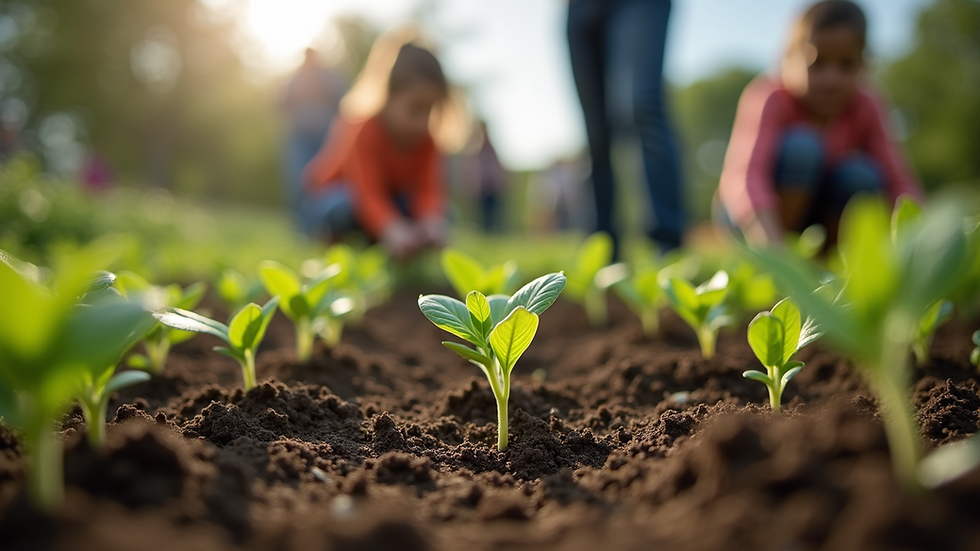
Workshops are the perfect way to experience sustainable farming education firsthand. They offer practical, hands-on learning that books or videos just can’t match. Here’s what makes these workshops so effective:
Interactive learning: You get to plant seeds, build compost bins, and try out techniques under expert guidance.
Community support: Meeting others who share your passion creates a sense of belonging and motivation.
Tailored advice: Instructors often customize tips for your local climate and soil conditions.
Fun for all ages: Workshops are designed to engage kids and adults alike, making it a family-friendly activity.
For example, at a recent workshop I attended, we learned how to create a simple rainwater harvesting system. It was eye-opening to see how much water we could save just by collecting rain from our rooftops. Plus, the group shared ideas on how to use that water efficiently in our gardens.
Practical Skills You Can Take Home
One of the best parts of sustainable farming workshops is the practical knowledge you gain. These skills empower you to start or improve your own garden with confidence. Here are some key takeaways you might expect:
Soil health basics: Understanding soil types, testing pH, and enriching soil with organic matter.
Composting techniques: How to turn kitchen scraps and yard waste into nutrient-rich compost.
Water management: Installing drip irrigation or rain barrels to conserve water.
Pest control: Using natural predators and companion planting to keep pests at bay.
Seasonal planting: Choosing the right crops for Maryland’s climate and growing seasons.
By applying these skills, you’ll see your garden flourish while reducing your environmental footprint. It’s a win-win!
Building a Greener Future Together
Sustainable farming workshops don’t just teach us how to grow food—they inspire us to become stewards of the land. When we learn together, we build a community that values sustainability and resilience. This collective effort is crucial for creating a healthier future for Maryland and beyond.
Imagine a neighborhood where every family grows some of their own food, shares surplus harvests, and supports local ecosystems. That’s the kind of future these workshops help create. Plus, they often include fun recreational activities that bring everyone closer to nature.

How You Can Get Involved and Make a Difference
Feeling inspired? Getting involved in sustainable farming workshops is easier than you think. Here are some simple steps to start your journey:
Find local workshops: Look for events hosted by community gardens, agricultural centers, or organizations like Benafarm.
Join a gardening group: Connect with others who share your interests and exchange tips.
Volunteer: Many workshops welcome volunteers to help with setup, planting, or education.
Start small: Even a few pots on your balcony can be a great way to practice sustainable gardening.
Share your knowledge: Teach friends and family what you’ve learned to spread the impact.
Remember, every small action counts. Together, we can cultivate a thriving community around sustainable farming, offering a unique space for families to connect with nature, grow their own food, and enjoy recreational activities, ultimately fostering a healthier, greener future in Maryland.
I hope this post has sparked your curiosity and excitement about sustainable farming education. Whether you’re a seasoned gardener or just starting out, these workshops offer a wonderful opportunity to learn, connect, and grow. Let’s embrace this journey together and watch our communities bloom!


Comments