
Practical Organic Gardening Techniques for Your Farm
- kuleoo
- Oct 28, 2025
- 4 min read
Starting an organic garden is such a rewarding adventure! Imagine stepping outside to pick fresh veggies, herbs, and fruits you grew yourself. It’s not just about food; it’s about connecting with nature and creating a healthier environment. Whether you have a small backyard or a larger farm, these practical organic gardening tips will help you grow a thriving garden with ease and joy.
Easy Organic Gardening Tips to Get You Growing
Let’s dive into some simple, effective ways to start your organic garden. First, choose the right location. Your plants need plenty of sunlight - at least 6 hours a day. A spot with good drainage is also key to prevent waterlogging. Next, prepare your soil. Healthy soil means healthy plants! Add compost or well-rotted manure to enrich the soil naturally. This boosts nutrients and improves texture.
Watering is another important factor. Water your plants early in the morning or late in the evening to reduce evaporation. Use drip irrigation or soaker hoses to deliver water directly to the roots. This saves water and keeps leaves dry, reducing disease risk.
Don’t forget about pest control! Instead of harsh chemicals, try companion planting. For example, plant marigolds near tomatoes to deter pests. You can also introduce beneficial insects like ladybugs to keep harmful bugs in check. These natural methods keep your garden safe and chemical-free.
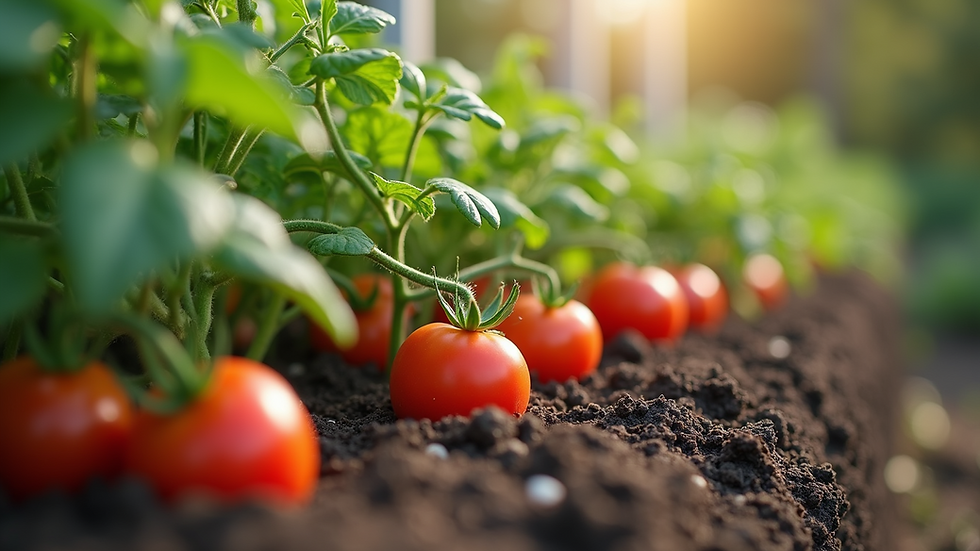
What are the rules for organic gardening?
Organic gardening isn’t just about avoiding chemicals. It follows specific principles to protect the environment and promote biodiversity. Here are some key rules to keep in mind:
No synthetic pesticides or fertilizers - Use natural alternatives like compost, manure, and organic pest repellents.
Crop rotation - Change the location of your crops each season to prevent soil depletion and reduce pests.
Use heirloom or organic seeds - These seeds are non-GMO and adapted to local conditions.
Encourage biodiversity - Plant a variety of crops and flowers to attract pollinators and beneficial insects.
Maintain soil health - Regularly add organic matter and avoid tilling too deeply to preserve soil structure.
Following these rules helps create a sustainable garden that supports wildlife and produces healthy food.
Building Your Garden Bed the Right Way
A strong foundation is everything! Building your garden beds properly can make a huge difference in plant health and yield. Raised beds are fantastic because they warm up faster in spring and drain well. You can build them with wood, stone, or recycled materials.
When filling your beds, layer organic matter like leaves, grass clippings, and kitchen scraps at the bottom. Then add a mix of topsoil and compost on top. This layering mimics natural soil layers and feeds your plants steadily.
Mulching is another great practice. Spread straw, wood chips, or shredded leaves around your plants to keep moisture in and weeds out. Mulch also slowly breaks down, adding nutrients back into the soil.

How to Choose the Best Plants for Your Organic Garden
Choosing the right plants can set you up for success. Start with crops that grow well in your region and season. In Maryland, cool-season veggies like lettuce, spinach, and broccoli thrive in spring and fall. Warm-season crops like tomatoes, peppers, and beans do best in summer.
Consider planting native plants and herbs too. They’re adapted to local conditions and attract helpful pollinators. Herbs like basil, thyme, and rosemary are easy to grow and add flavor to your meals.
Don’t forget to mix things up! Planting a variety of crops reduces the risk of pests and diseases spreading. Plus, it keeps your garden colorful and interesting.
Embracing organic gardening techniques for a Greener Future
One of the best parts of organic gardening is knowing you’re helping the planet. By avoiding synthetic chemicals, you protect the soil, water, and wildlife. Using natural methods like composting, crop rotation, and companion planting keeps your garden healthy and sustainable.
At Benafarm, we believe in creating a community where families can learn and grow together. Whether you’re a beginner or a seasoned gardener, embracing these organic gardening techniques can make your farm a vibrant, eco-friendly space.
Remember, gardening is a journey. Celebrate your successes and learn from challenges. Every seed you plant is a step toward a greener future!
Tips for Maintaining Your Organic Garden Year-Round
Gardening doesn’t stop when the growing season ends. Preparing your garden for winter and planning for spring keeps your farm productive year-round.
Clean up garden debris to prevent pests and diseases from overwintering.
Add a thick layer of mulch to protect soil and roots from cold.
Plant cover crops like clover or rye to improve soil health during the off-season.
Plan your crop rotation for the next year to keep soil fertile.
Start seeds indoors in late winter to get a head start on spring planting.
With a little care and planning, your organic garden will flourish season after season.
Gardening is more than just growing food - it’s about nurturing life and connecting with the earth. I hope these practical organic gardening tips inspire you to create your own green oasis. Let’s grow together and make our farms a place of joy, health, and sustainability!


Comments