
Mastering Organic Gardening Tips for Sustainable Yields
Gardening is such a joyful way to connect with nature, isn’t it? There’s something magical about watching tiny seeds grow into vibrant plants right before your eyes. If you’re like me, you want to do it in a way that’s kind to the earth and yields plenty of fresh, healthy food. That’s where organic gardening comes in! Today, I’m excited to share some practical, easy-to-follow tips that will help you master organic gardening techniques for sustainable yields. Let’s dig in and grow together!
Why Choose Organic Gardening Tips?
Organic gardening is more than just a trend. It’s a lifestyle choice that benefits your family, your community, and the environment. By avoiding synthetic chemicals and focusing on natural methods, you create a garden that’s healthier and more resilient. Plus, it’s a fantastic way to teach kids about where food comes from and the importance of caring for our planet.
Here are some reasons why organic gardening tips are worth embracing:
Healthier produce: No pesticides or harmful chemicals means cleaner, tastier fruits and veggies.
Soil health: Organic methods improve soil structure and fertility over time.
Biodiversity: Encourages beneficial insects and pollinators to thrive.
Sustainability: Reduces pollution and conserves water and energy.
With these benefits in mind, let’s explore how to get started with organic gardening in your own backyard.
Getting Started with Organic Gardening Tips
Starting an organic garden might seem overwhelming, but it’s easier than you think! Here’s a simple roadmap to help you begin:
1. Choose the Right Location
Pick a spot that gets at least 6-8 hours of sunlight daily. Most vegetables and herbs love the sun! Also, make sure the area has good drainage to prevent waterlogging.
2. Prepare Your Soil
Healthy soil is the foundation of a thriving garden. Test your soil’s pH and nutrient levels using a simple kit from your local garden center. Then, enrich it with organic matter like compost or well-rotted manure. This boosts fertility and helps retain moisture.
3. Select Suitable Plants
Choose plants that grow well in your region and season. Native plants or heirloom varieties often do better organically because they’re adapted to local conditions.
4. Plan Your Garden Layout
Use companion planting to maximize space and deter pests naturally. For example, plant basil near tomatoes to improve flavor and repel insects.
5. Water Wisely
Water your garden early in the morning or late in the evening to reduce evaporation. Use drip irrigation or soaker hoses to deliver water directly to roots, saving water and preventing disease.

Essential Organic Gardening Techniques for Success
Now, let’s dive into some tried-and-true organic gardening techniques that will help you get the best yields without synthetic inputs.
Composting: Nature’s Superfood
Composting is a game-changer. It turns kitchen scraps and yard waste into nutrient-rich soil food. Start a compost bin or pile in a corner of your yard. Add a mix of green materials (like vegetable peels and grass clippings) and brown materials (like dry leaves and cardboard). Turn it regularly to speed up decomposition.
Crop Rotation: Keep Soil Happy
Rotating crops each season prevents soil depletion and reduces pest buildup. For example, follow heavy feeders like tomatoes with nitrogen-fixing plants like beans. This balances nutrients and keeps your garden productive year after year.
Mulching: Protect and Nourish
Apply a thick layer of organic mulch (straw, wood chips, or shredded leaves) around your plants. Mulch helps retain moisture, suppress weeds, and slowly adds nutrients as it breaks down.
Natural Pest Control: Friends Not Foes
Instead of chemicals, encourage beneficial insects like ladybugs and lacewings that eat pests. Plant flowers like marigolds and nasturtiums to attract these helpful allies. You can also use homemade sprays made from garlic or neem oil to deter harmful bugs.
Seed Saving: Preserve and Prosper
Saving seeds from your healthiest plants ensures you have adapted varieties for your garden. It’s also a rewarding way to stay connected to your garden’s life cycle.
For more detailed guidance, check out this resource on organic gardening techniques.
Tools and Supplies for Organic Gardening
Having the right tools makes gardening easier and more enjoyable. Here’s a list of essentials to get you started:
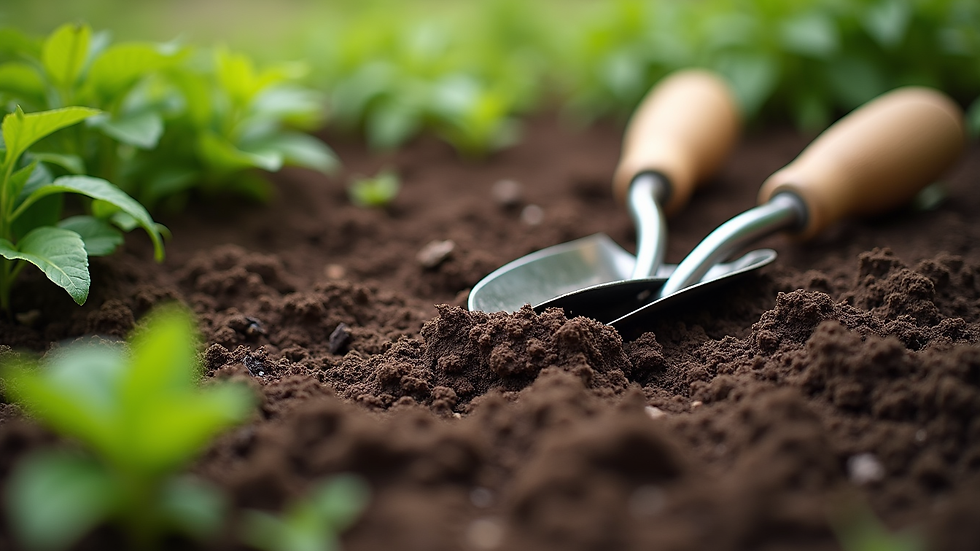
Hand trowel and spade: For digging and planting.
Garden fork: To aerate soil and turn compost.
Pruning shears: To trim plants and harvest.
Watering can or hose with a gentle spray: For watering seedlings.
Garden gloves: Protect your hands while working.
Compost bin: To recycle organic waste.
Investing in quality tools will save you time and effort. Plus, they last longer and reduce waste.
Growing Together: Building a Sustainable Garden Community
Gardening is more fun when shared! Consider joining or starting a local gardening group. Sharing seeds, tips, and harvests builds a sense of community and support. Plus, it’s a wonderful way to get kids involved and excited about growing their own food.
At Benafarm, we’re passionate about creating spaces where families can connect with nature and each other. Whether you’re planting your first tomato or managing a full vegetable patch, remember that every small step contributes to a greener, healthier future.
Your Organic Garden Awaits!
Ready to roll up your sleeves and start your organic garden? Remember, gardening is a journey filled with learning and joy. Don’t worry about perfection—nature loves a little mess and creativity! With patience, care, and these organic gardening tips, you’ll enjoy bountiful harvests and a thriving garden that nourishes your family and the earth.
Let’s grow something beautiful together! Happy gardening!


Comments