
Master Effective Organic Farming Methods
- kuleoo
- May 9
- 4 min read
Growing your own garden is such a rewarding experience! There’s something magical about watching tiny seeds sprout into vibrant plants. If you’re ready to dive into the world of gardening, why not do it the organic way? It’s healthier for the soil, better for the environment, and produces tastier, more nutritious food. Let’s explore how to master effective organic farming methods that will have your garden thriving in no time!
Why Choose Effective Organic Farming Methods?
Organic gardening is more than just a trend. It’s a lifestyle choice that connects us with nature. By avoiding synthetic chemicals and focusing on natural processes, we create a garden that’s sustainable and full of life. Plus, it’s a fantastic way to teach kids about where food comes from and the importance of caring for our planet.
Here’s why effective organic farming methods are worth your time:
Healthier soil: Organic matter improves soil structure and fertility.
Better for pollinators: No harmful pesticides means bees and butterflies thrive.
Safer food: No chemical residues on your fruits and veggies.
Cost-effective: Save money by making your own compost and natural pest controls.
Community connection: Share your harvest and knowledge with neighbors and friends.
Ready to get your hands dirty? Let’s jump into some practical tips!
Getting Started with Organic Gardening Techniques
Starting an organic garden might seem overwhelming, but it’s easier than you think. The key is to work with nature, not against it. Here’s a simple roadmap to get you going:
1. Choose the Right Location
Pick a spot that gets at least 6-8 hours of sunlight daily. Most vegetables and herbs love the sun! Make sure the area has good drainage to avoid waterlogging.
2. Prepare Your Soil
Healthy soil is the foundation of a thriving garden. Test your soil’s pH and nutrient levels using a simple kit from your local garden center. Most vegetables prefer a pH between 6.0 and 7.0.
Add plenty of organic matter like compost, aged manure, or leaf mold. This enriches the soil and encourages beneficial microbes.
3. Select Plants Wisely
Choose plants that grow well in your region and season. Native plants and heirloom varieties often do better organically because they’re adapted to local conditions.
4. Use Companion Planting
Some plants help each other grow by repelling pests or improving soil nutrients. For example, planting marigolds near tomatoes can deter harmful insects.
5. Water Smartly
Water your garden early in the morning or late in the evening to reduce evaporation. Use drip irrigation or soaker hoses to deliver water directly to the roots.
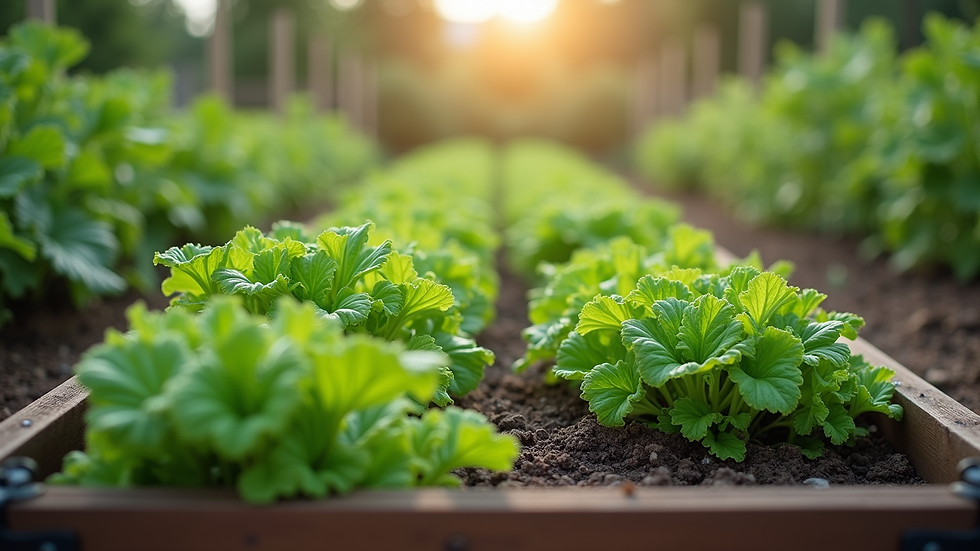
Building Healthy Soil for Long-Term Success
Soil is alive! It’s full of tiny organisms that break down organic matter and feed your plants. Here’s how to nurture your soil for lasting fertility:
Add Organic Matter Regularly
Compost is your best friend. It improves soil texture, retains moisture, and provides nutrients. You can make your own compost from kitchen scraps, garden waste, and leaves.
Practice Crop Rotation
Avoid planting the same crops in the same spot year after year. Rotate families of plants to prevent nutrient depletion and reduce pest buildup.
Mulch, Mulch, Mulch!
A layer of mulch keeps soil moist, suppresses weeds, and adds organic matter as it breaks down. Use straw, wood chips, or shredded leaves.
Avoid Tilling Too Much
Tilling disturbs soil life and can lead to erosion. Instead, use no-dig or minimal till methods to protect the soil structure.
Natural Pest and Disease Management
Pests and diseases are part of gardening, but you don’t need harsh chemicals to handle them. Here are some gentle, effective strategies:
Encourage Beneficial Insects
Ladybugs, lacewings, and predatory wasps eat harmful pests. Plant flowers like dill, fennel, and yarrow to attract these helpful bugs.
Use Homemade Sprays
Try neem oil, garlic spray, or insecticidal soap to control pests without harming the environment.
Practice Good Garden Hygiene
Remove diseased plants promptly and clean your tools regularly to prevent spreading problems.
Crop Diversity
Plant a variety of crops to confuse pests and reduce the chance of widespread infestations.

Harvesting and Enjoying Your Organic Garden
The best part of gardening? Harvest time! Picking fresh fruits and veggies straight from your garden is pure joy.
Harvest in the morning when plants are crisp and full of moisture.
Use sharp scissors or pruners to avoid damaging plants.
Store your harvest properly to keep it fresh longer.
Share your bounty with family, friends, or neighbors to spread the love.
Gardening is a journey, and every season brings new lessons. Keep experimenting, learning, and enjoying the process.
Growing Together for a Greener Future
Organic gardening is more than just growing food. It’s about building a community that values sustainability and connection to the earth. Whether you have a small backyard or a community plot, your efforts contribute to a healthier planet.
Let’s embrace these effective organic farming methods and inspire others to join us. Together, we can create vibrant gardens, happy families, and a greener Maryland.
Ready to start your organic gardening adventure? Check out this guide on organic gardening techniques for more tips and inspiration!
Happy gardening!


Comments